Writing Clean Functions in JavaScript
Small, focused functions make code easier to test, read, and maintain without over-engineering.
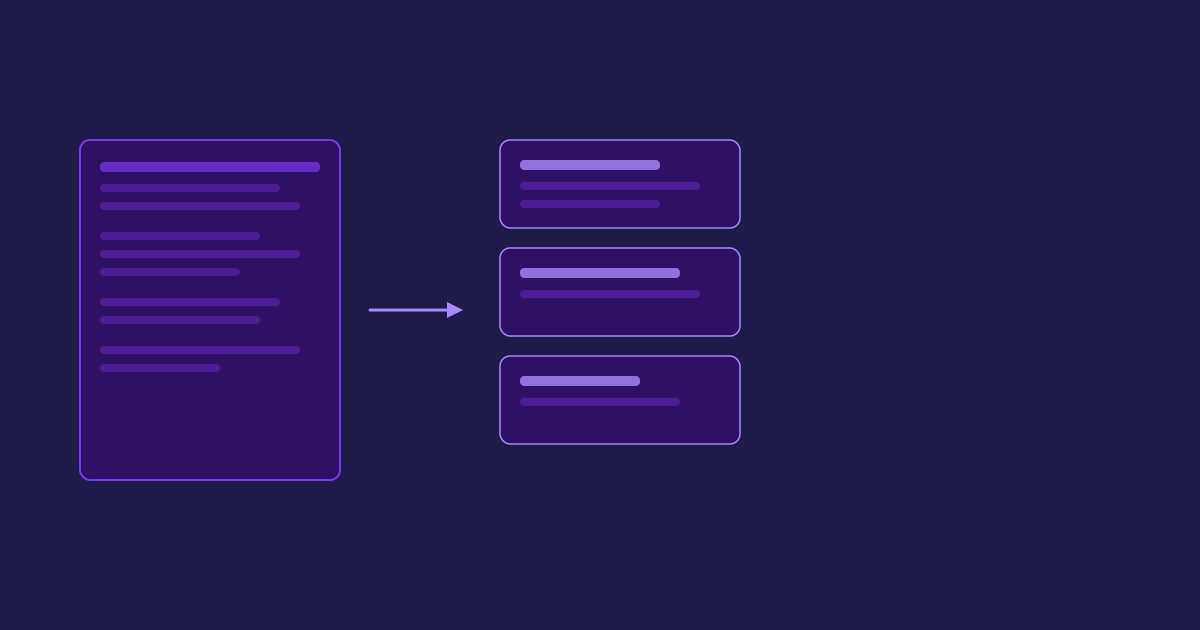
If you need a comment to explain what a block of code does, that block probably wants to be its own function.
Keep functions small
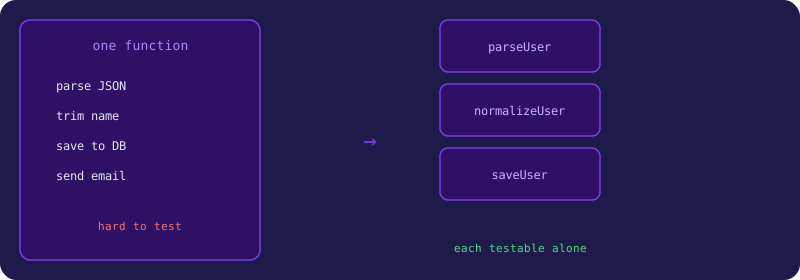
A function that does two things is two functions waiting to be split.
// bad: one function, three jobs
function processUser(data) {
  const user = JSON.parse(data);
  user.name = user.name.trim();
  saveToDatabase(user);
}

// good: each step named and testable
const parseUser = (data) => JSON.parse(data);
const normalizeUser = (user) => ({ ...user, name: user.name.trim() });
const saveUser = (user) => saveToDatabase(user);
Name functions after what they return
A function named getUserData could do anything. A function named fetchActiveUsers tells you the shape and the filter up front.
Push side effects to the edges
Pure functions are easy to test. Network calls, DOM writes, file I/O belong at the outermost layer. Keep the logic pure underneath.
// pure: easy to unit test
const formatPrice = (cents, currency = 'USD') =>
  new Intl.NumberFormat('en', { style: 'currency', currency }).format(cents / 100);
Return early
Nested conditionals add cognitive load. Return early when a condition fails. Flat code is easier to scan than deeply indented code.
function getDiscount(user) {
  if (!user) return 0;
  if (!user.isPremium) return 0;
  return 0.2;
}Keep reading
Related posts
Mastering Array Methods in Modern JavaScript
map, filter, reduce, and friends — when to use each and how to compose them without losing readability.
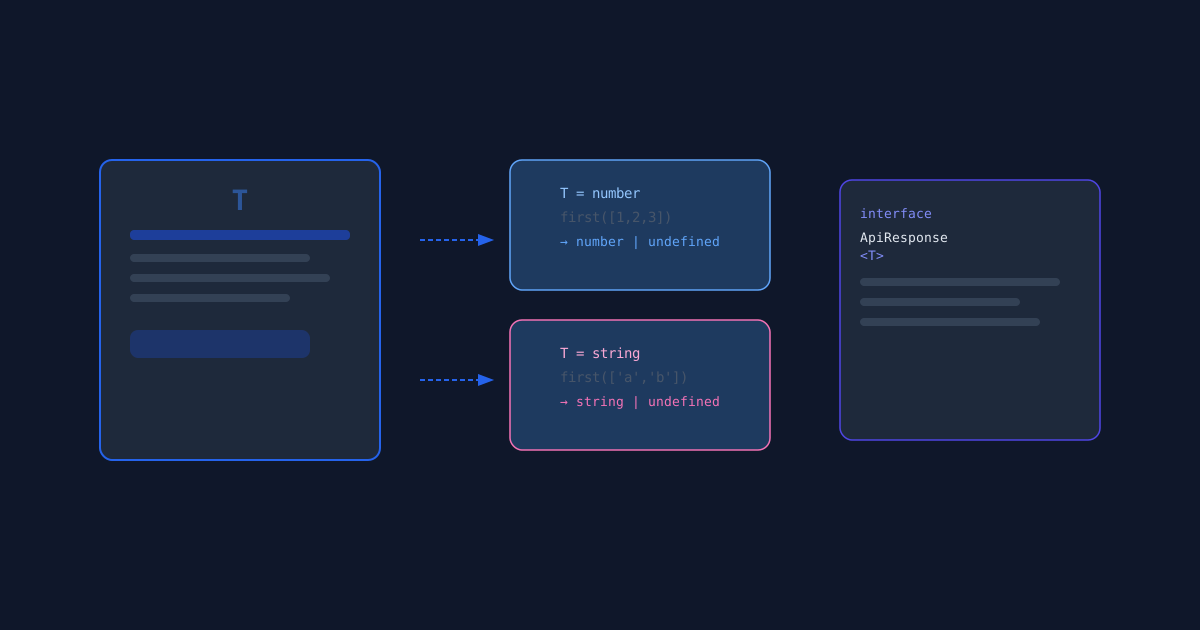
TypeScript Generics Without the Headache
A practical guide to writing reusable, type-safe functions using generics — without over-abstracting.
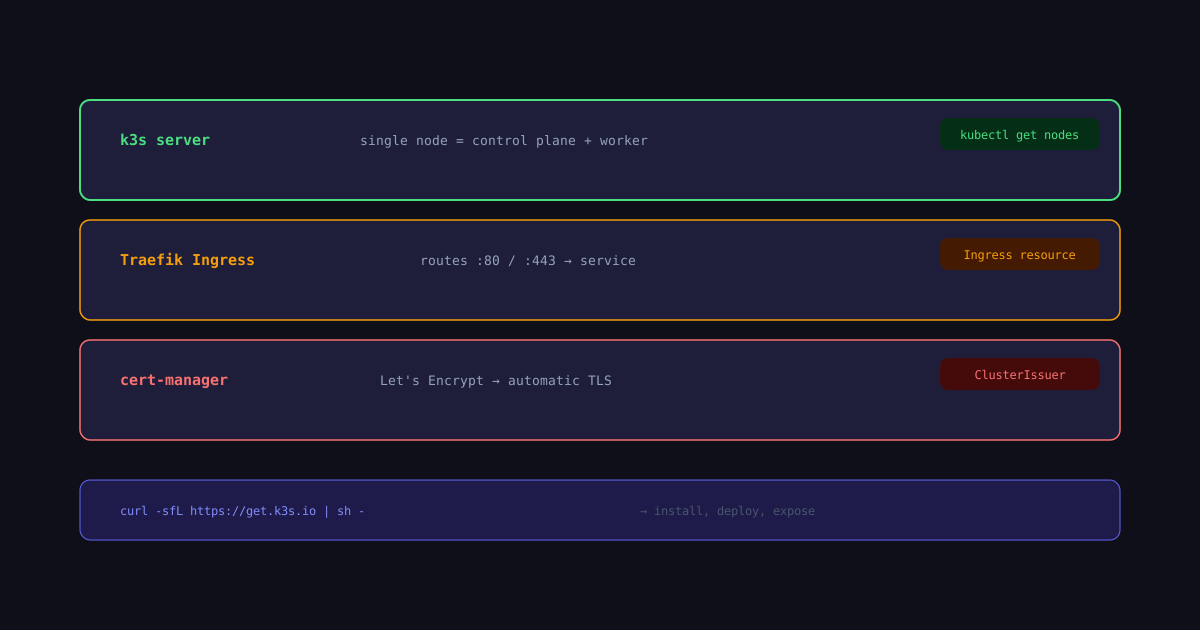
K3s Single Node: From Zero to Publicly Accessible
Set up k3s on a single node, deploy an app, configure Ingress, DNS, and TLS — everything needed to expose a service to the internet.